
How much does an inverter and battery backup cost?
It depends almost entirely on how much of the house you want to keep running and for how long. Essentials only, meaning lights, plugs, Wi-Fi and the TV, is the range below. Whole home backup costs more. If you would rather buy the inverter and battery yourself, our installation and certificate price is listed too, and that is the figure worth comparing between installers.
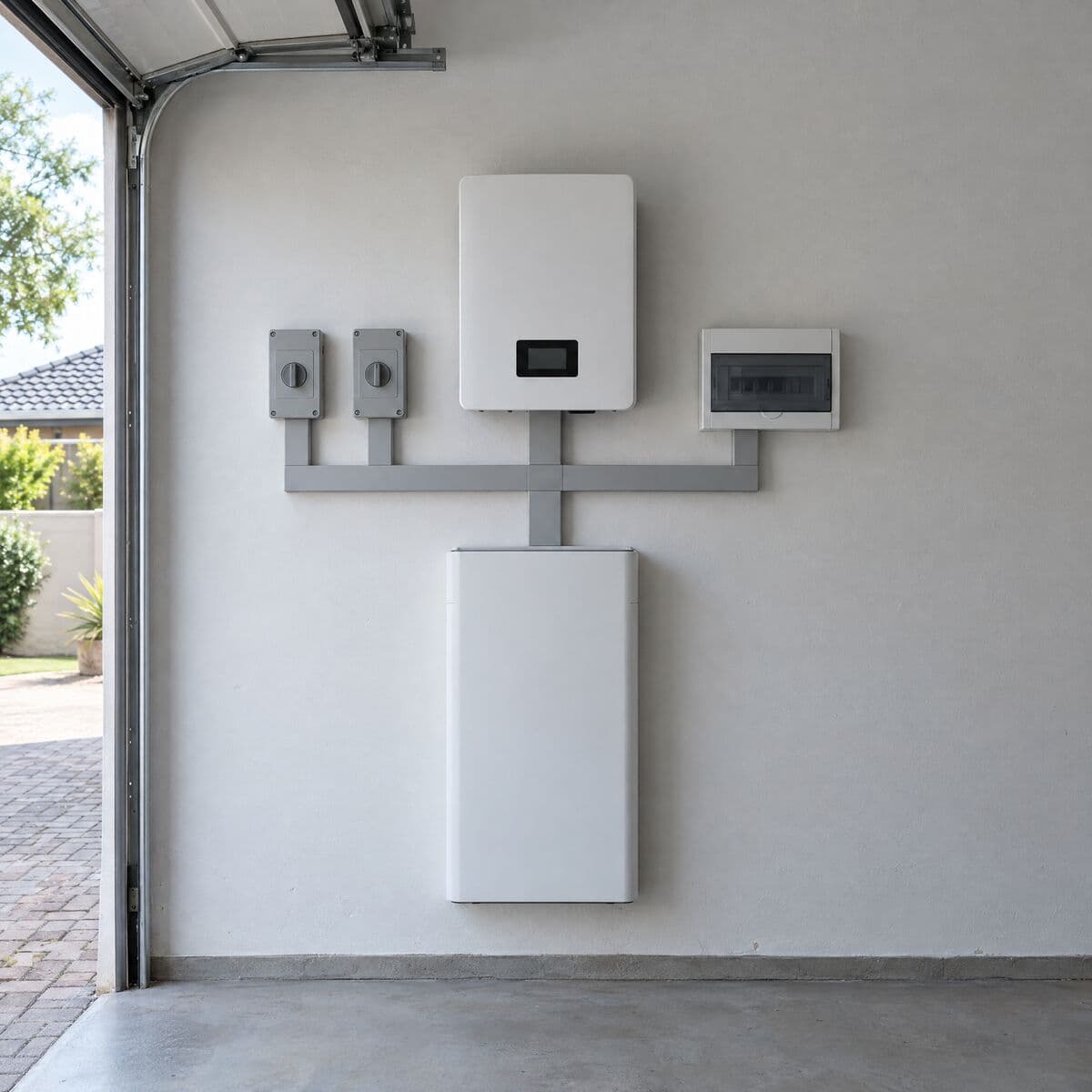
What this costs
| Work | Price |
|---|---|
| Essentials backup, 3 to 5kWLights, plugs, Wi-Fi and the TV through an outage. Inverter, battery and installation. | R30,000 - R55,000 |
| Whole-home backup, 5kW with 10kWhMost of the house, including some heavy loads. Inverter, battery and installation. | R65,000 - R95,000 |
| Installation and CoC onlyYou buy the inverter and battery. We mount, wire, commission and certificate it. | R9,000 - R20,000 |
These are ranges, not quotes. Where your job falls in the range depends on what we find on site. We are not VAT registered, so there is no VAT to add. The price you are quoted is the price you pay.
Call-out rates
A booked visit is for a fault that can wait: we confirm the date and time with you. An emergency call-out gets priority, day or night. Both are booked with a 50% deposit online.
| Time | Booked visit | Emergency call-out |
|---|---|---|
| Day07:00 – 18:00 | R750 | R2,500 |
| Night18:00 – 07:00 | R1,200 | R3,500 |
What moves the price
How much you want to run
Lights, plugs and Wi-Fi need a fraction of what a geyser, stove and pool pump need. This is the biggest single decision in the price.
How long you want it to last
Battery capacity is the expensive part. Doubling your runtime roughly doubles the battery cost.
Brand of inverter
Entry level and premium inverters both work. The premium ones cost more and generally last longer and are better supported.
DB board work
Backed up circuits have to be split out from the rest, which usually means work in the board or a second small board.
Where it gets mounted
A garage wall near the board is straightforward. A spare room on the other side of the house means a long cable run.
How we work, explained
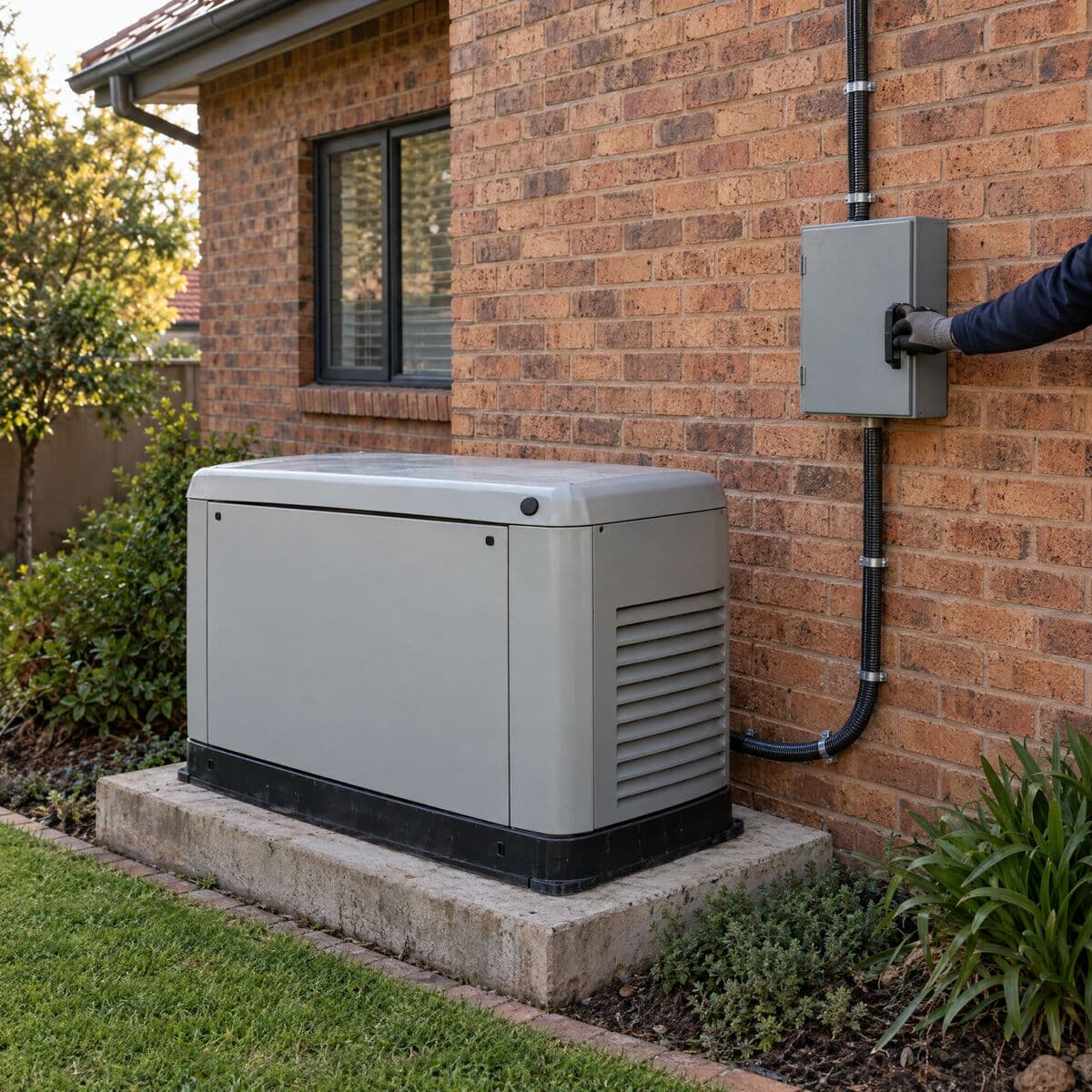
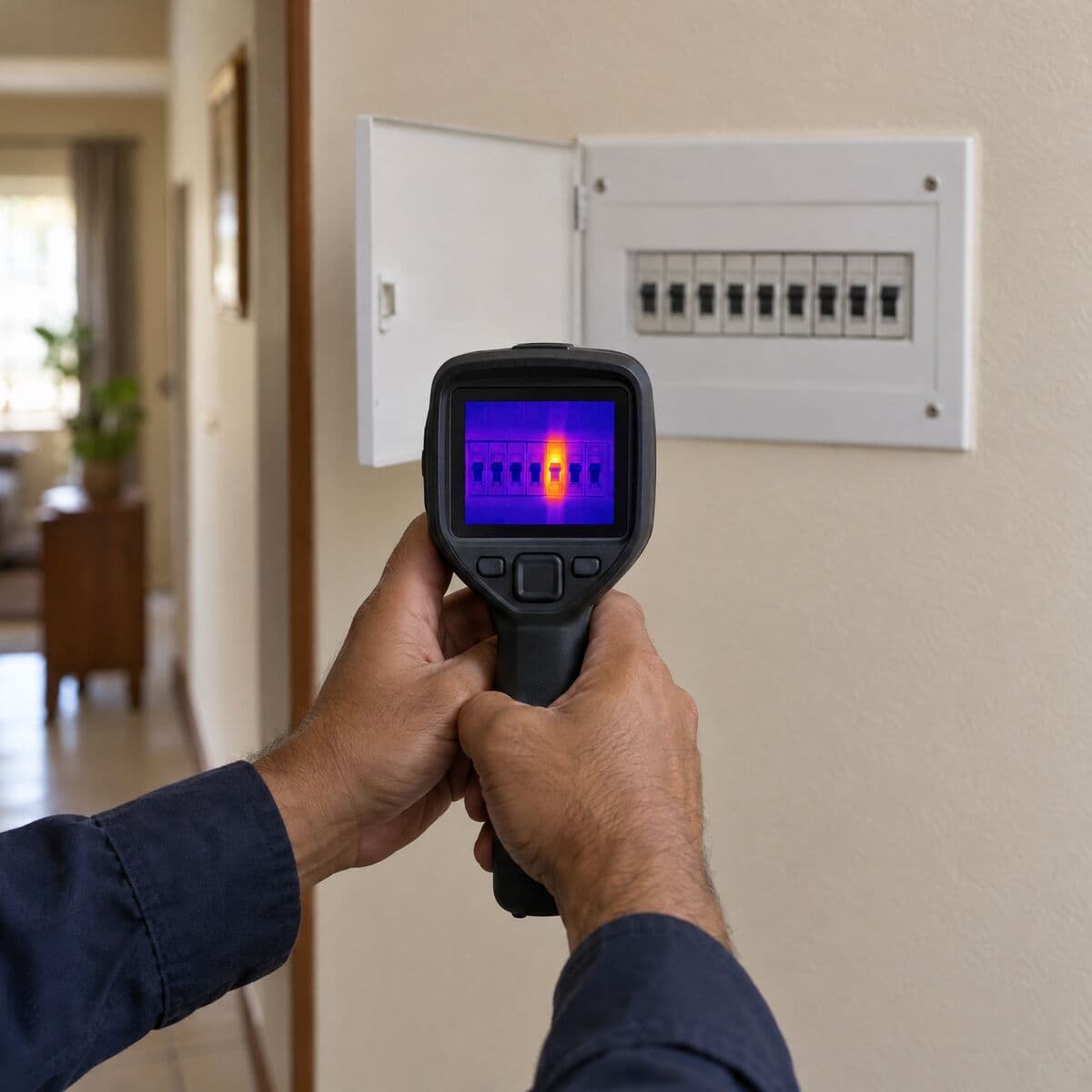
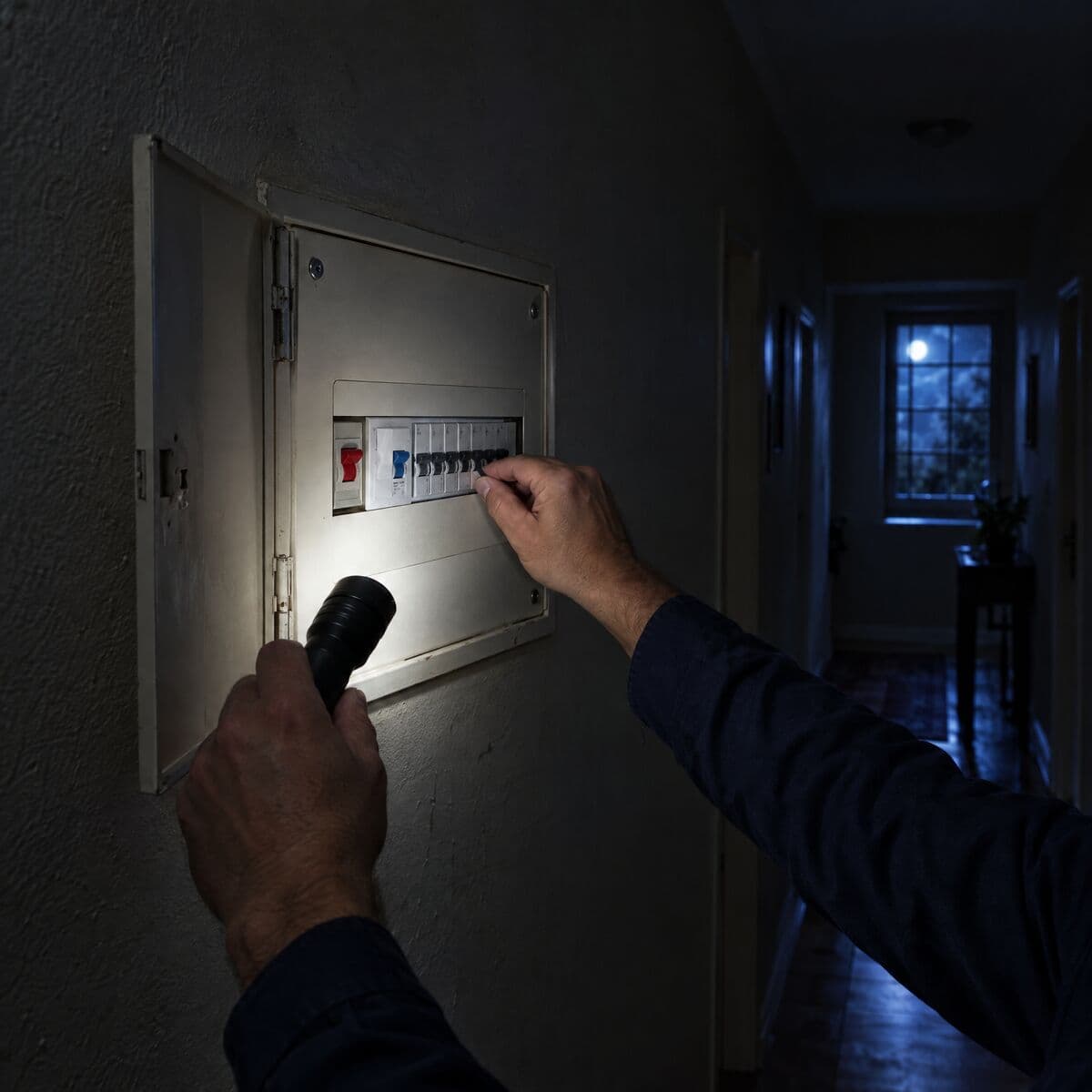
Pictures are illustrations of the work described.
How long it takes
One day for an essentials system. Two for a larger one.
Included
- Mounting the inverter and battery
- Splitting your essential circuits onto the backup
- Commissioning, testing and showing you how it works
- A Certificate of Compliance for the installation
Not included
- Solar panels, which are a separate job
- Backing up a geyser, stove or pool pump unless the system is sized for it
- Municipal or Eskom notification where your area requires it
Questions
Should I buy the kit myself?
You can, and the installation only price is on this page so you can compare it properly. Be careful what you buy, though. We will tell you honestly before you order whether the inverter and battery you are looking at will do what you want, because the commonest problem we see is a system bought too small.
Will it run my geyser?
Not on an essentials system. A geyser pulls more than most backup systems can give, and heating water from a battery is an expensive way to do it. A geyser timer or a solar geyser is the better answer.
Do I need solar as well?
No. An inverter and battery alone will carry you through outages, charging from the grid when the power is on. Solar makes sense when you want to cut your bill as well, which is a different calculation.
Does an inverter installation need a CoC?
Yes. It is an addition to your electrical installation and it has to be certified. Anyone installing one without issuing a certificate is leaving you with a problem for when you sell.
Is there VAT on top?
No. We are not VAT registered, so the price you are quoted is the price you pay.
Related services
- Inverter and UPS backupInverters, batteries and UPS units that keep essentials running in outages.
- What solar costsSystem prices, plus the installation figure that is worth comparing.
- Generator installationStandby generators, changeover switches, servicing and repairs.
- What a DB board costsWhat a new board costs, and what the number of circuits does to the price.
We cover Johannesburg, Sandton, Randburg, Roodepoort, Soweto, Midrand, Centurion, Pretoria, East Rand (Ekurhuleni), West Rand. Areas we cover